
Reliable temperature control is essential for maintaining comfort and efficiency in both residential and commercial spaces. HVAC installations play a critical role in achieving this goal by providing consistent heating, ventilation, and air conditioning tailored to specific environmental needs. When selecting an HVAC system, it is important to consider factors such as the size of the space, insulation quality, climate conditions, and user preferences. Proper installation ensures that the equipment operates at peak performance while minimizing energy consumption.
Modern HVAC systems incorporate advanced technology designed to enhance temperature regulation. Variable speed compressors and smart thermostats allow for precise adjustments based on real-time data from sensors throughout the building. This adaptability reduces fluctuations in indoor temperatures and prevents overcooling or overheating. Additionally, zoning capabilities enable different areas within a structure to be controlled independently, catering to varying comfort requirements without wasting energy on unoccupied rooms.
The choice of components significantly impacts the reliability of temperature control. High-quality air handlers distribute conditioned air evenly across all zones, eliminating hot or cold spots that can cause discomfort or inefficiency. Efficient heat exchangers maximize heat transfer during heating cycles while maintaining durability under frequent use. Properly sized ductwork also plays a vital role by ensuring airflow remains visit our site balanced throughout the system without excessive noise or pressure loss.
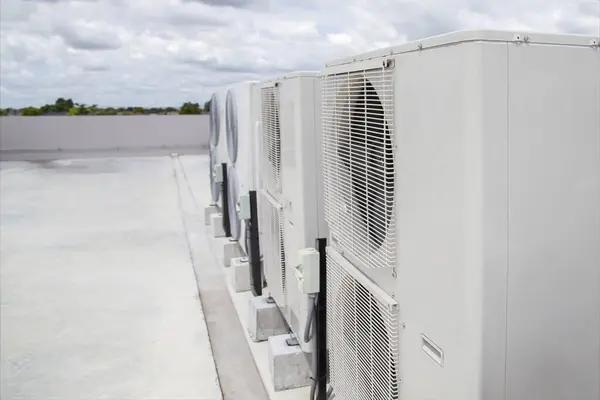
Installation practices directly influence how well an HVAC system performs over time. Technicians must conduct thorough load calculations before selecting equipment to match cooling and heating demands accurately. Attention should be given to sealing duct joints tightly and insulating ducts where necessary to prevent energy losses through leaks or thermal bridging. Furthermore, positioning outdoor units away from direct sunlight or obstructions helps maintain optimal operating temperatures for compressors.
Regular maintenance following installation supports ongoing reliability by identifying potential issues early before they affect performance negatively. Cleaning filters regularly keeps airflow unobstructed while checking refrigerant levels ensures systems operate within recommended parameters for efficient cooling capacity.
Integrating automation features with remote monitoring capabilities offers users greater control over their environment at any time from anywhere using smartphones or computers. These tools provide alerts about maintenance needs or unexpected changes in system behavior so corrective actions can be taken promptly.
In summary, reliable temperature control depends not only on choosing advanced HVAC technologies but also on meticulous installation processes tailored specifically for each property’s unique requirements.