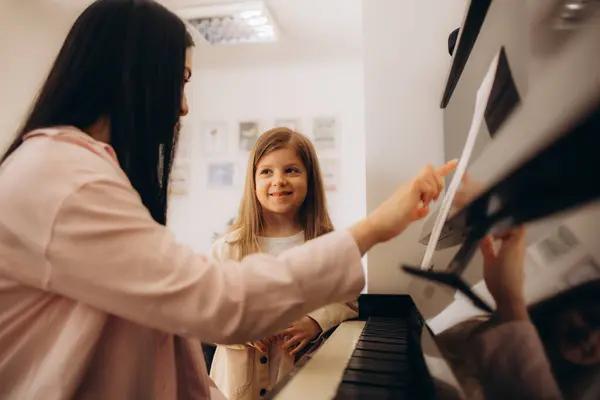

In the world of piano education, effective teacher-parent coordination is a cornerstone for nurturing young musicians. The collaboration between teachers and parents plays a crucial role in shaping a child’s musical journey, ensuring that learning is both enjoyable and productive. This partnership can significantly enhance the student’s progress and motivation, creating an environment conducive to growth.
Communication is the foundation of successful teacher-parent coordination. Regular updates on the student’s progress help keep parents informed about their child’s achievements and areas needing improvement. Teachers should provide constructive feedback after each lesson, highlighting strengths while suggesting areas for further practice. This not only helps parents understand what their child needs to work on but also enables them to provide appropriate support at home.
Setting clear expectations from the outset is another vital aspect of this collaboration. Teachers should outline their teaching philosophy, goals for each student, and expectations regarding practice routines and attendance. Parents need to be aware of these requirements so they can reinforce them at home, providing structure to their child’s practice schedule.
Equally important is fostering an open line of communication where parents feel comfortable discussing any concerns or observations with the teacher. Whether it’s about scheduling conflicts or difficulties in practicing certain find out everything pieces, addressing these issues promptly ensures that they do not hinder the student’s progress.
Parents play a critical role in creating a supportive home environment for practice sessions. Encouraging regular practice without making it feel like a chore can sometimes be challenging; however, integrating music into daily life by setting aside dedicated time for piano playing can make it more routine and less burdensome for children.
Additionally, attending recitals or performances together as a family can boost a child’s confidence and enthusiasm towards learning piano. Celebrating small victories along the way—whether mastering a difficult piece or performing in front of an audience—helps build self-esteem and keeps students motivated.
Teachers might also consider organizing workshops or group classes where students perform for one another under parental observation. Such events foster community spirit among learners while allowing parents to witness firsthand how peer interaction enhances their child’s musical abilities.
Ultimately, patience remains key throughout this collaborative process as every child learns at their own pace; pushing too hard could lead to burnout rather than progressions such as maintaining realistic goals tailored specifically around individual capabilities ensures steady development over time without overwhelming pressure from either side involved within educational pursuits related directly back towards instrumental mastery itself achieved via collective effort spanning across multiple stakeholders aligned uniformly towards common objectives centered primarily around holistic upbringing inclusive equally academically alongside artistically driven aspirations alike therein simultaneously realized fully thereby enhancing overall experience enjoyed thoroughly all parties concerned therein comprehensively altogether naturally harmoniously integrated seamlessly indeed!