
Extending the lifespan of an air conditioner after repairs requires a combination of regular maintenance, mindful usage, and occasional professional check-ups. By adhering to best practices, homeowners can ensure their cooling systems remain efficient and reliable for many years.
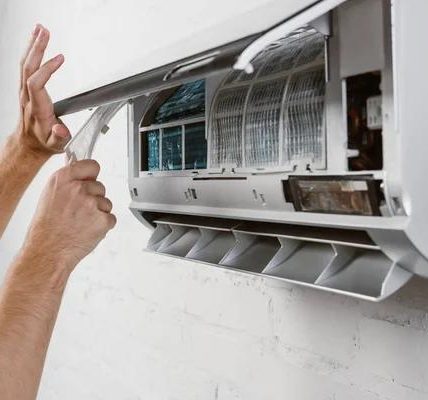
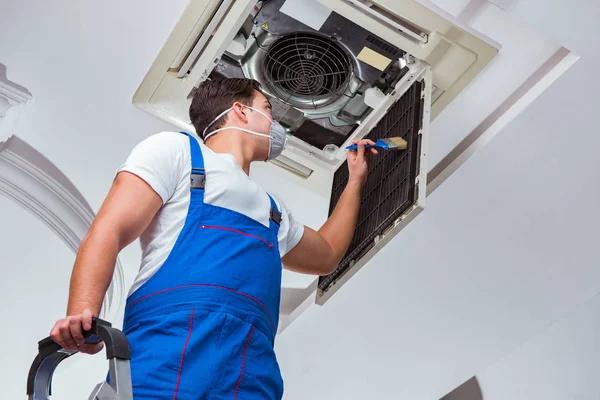
First and foremost, regular maintenance is crucial. This involves cleaning or replacing air filters every one to three months. Clogged filters restrict airflow, forcing the system to work harder and potentially leading to further breakdowns. It’s also important to keep the outdoor unit clear of debris such as leaves, grass clippings, or dirt that could obstruct airflow. Regularly checking the evaporator and condenser coils dive in for more dirt accumulation is essential; dirty coils reduce efficiency by causing the system to overheat.
Mindful usage plays a significant role in prolonging an air conditioner’s life. Setting thermostats at optimal temperatures—around 78°F (25°C) when home—is advisable during hot months. Using programmable thermostats can help manage temperatures efficiently throughout the day without manual intervention. Moreover, ensuring doors and windows are sealed properly prevents cool air from escaping and warm air from entering, reducing unnecessary strain on the unit.
Another practice is utilizing ceiling fans alongside your AC unit; this helps distribute cool air more evenly across rooms without solely relying on the AC system itself. Additionally, closing blinds or curtains during peak sunlight hours can prevent excess heat from entering your living space.
Scheduling annual professional inspections even after repairs have been made cannot be overstated. A certified technician will check refrigerant levels—ensuring there are no leaks—and inspect electrical components like capacitors or contactors that may wear out over time due to frequent cycling on/off cycles typical in repaired systems.
Homeowners should also pay attention to any unusual noises coming from their units post-repair as these might indicate underlying issues not addressed initially: rattling sounds could mean loose parts while hissing might suggest refrigerant leaks needing immediate attention before escalating into costly damages downline affecting overall performance longevity adversely too!