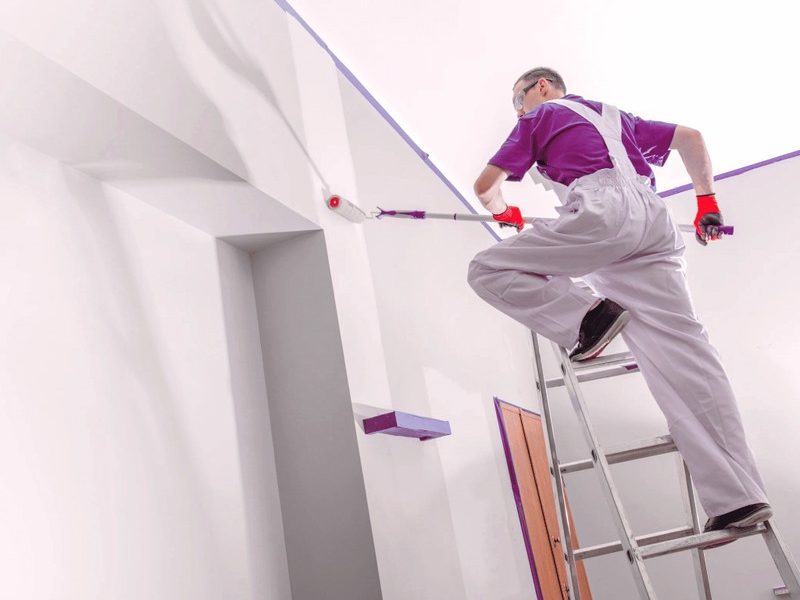

Achieving a perfect finish in interior painting requires a combination of skill, preparation, and attention to detail. Professional painters understand that the quality of the final result depends largely on the steps taken before applying paint. Preparation begins with thoroughly cleaning the walls to remove dust, grease, and any loose or flaking paint. This ensures that the new paint adheres properly and creates an even surface. Next, any imperfections such as cracks, holes, or dents are carefully filled with appropriate fillers or spackling compounds. Once these patches dry completely, they are sanded smooth to blend seamlessly with the surrounding wall.
Sanding plays a crucial role in creating a flawless finish by smoothing out rough spots and ensuring uniformity across surfaces. Painters use different grades of sandpaper depending on the condition of the walls and type of paint being applied. After sanding, it is essential to clean off all dust using a vacuum or damp cloth because leftover particles can cause uneven texture once painted over.
Exterior Painters
Priming is another vital step often overlooked by amateurs but never skipped by professionals. A primer seals porous surfaces like drywall or wood and prevents stains from bleeding through topcoats while enhancing adhesion for better durability. Selecting an easthampton painter appropriate primer based on wall material and desired finish helps achieve consistent color coverage without blotchiness.
When it comes to choosing paint, experienced painters select high-quality products suited for interior environments that offer good coverage and resistance to wear and fading. The choice between matte, satin, eggshell, or semi-gloss finishes depends on room function and aesthetic preferences but also influences maintenance ease.
Application technique significantly affects outcome quality as well; painters typically use brushes for cutting edges around trim and corners where precision is necessary while rollers cover larger areas efficiently without leaving streaks if rolled correctly using proper pressure in overlapping strokes.
Multiple thin coats rather than one thick layer allow each coat to dry fully before adding another which prevents drips or runs forming during drying time resulting in smoother appearance overall.
Finally, final inspection after completion ensures no missed spots exist; touch-ups correct minor flaws immediately maintaining consistency throughout painted area.
By combining meticulous surface preparation with careful product selection along with expert application methods interior painters consistently deliver professional results characterized by smoothness uniformity longevity reflecting their craftsmanship expertise clearly visible upon completion.
Willard and Ward Pro Painting
Easthampton, MA 01027
413-240-4545