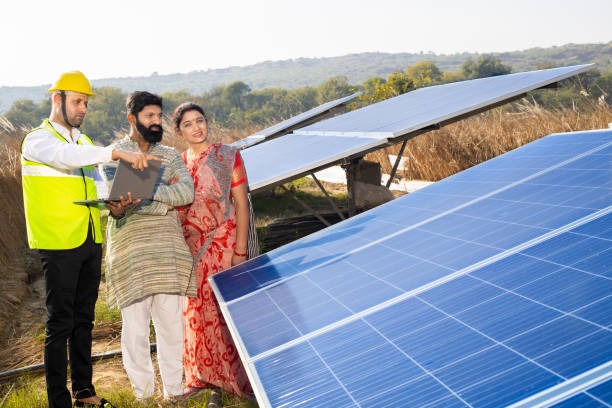

As the world shifts towards renewable energy, one technology stands out for its efficiency and sustainability: photovoltaic panels. But what exactly are these innovative devices? Simply put, panouri fotovoltaice harness sunlight to generate electricity, making them a key player in reducing our carbon footprint. Whether you’re looking to power your home or business sustainably, understanding how these solar panels work is essential. Let’s dive into their benefits, types available on the market today, and important factors to consider before making an investment in this green technology.
Benefits of Using Photovoltaic Panels
Photovoltaic panels offer a multitude of advantages that make them increasingly popular. First and foremost, they provide a renewable energy source. Unlike fossil fuels, sunlight is abundant and freely available.
Financial savings are another compelling reason to consider panouri fotovoltaice. By generating your own electricity, you can significantly reduce or even eliminate your monthly utility bills over time.
Moreover, these panels contribute to environmental sustainability. They produce clean energy without greenhouse gas emissions, helping combat climate change.
Additionally, photovoltaic systems can enhance property value. Homes equipped with solar panels often attract buyers looking for eco-friendly features and lower energy costs.
Many regions offer incentives such as tax credits or rebates for installing solar technology. This makes the initial investment more manageable while promoting greener living solutions.
Types of Photovoltaic Panels
When choosing panouri fotovoltaice, it’s essential to know the different types available. The most common include monocrystalline, polycrystalline, and thin-film panels.
Monocrystalline panels are known for their high efficiency. Made from a single crystal structure, they perform well even in low light conditions. This makes them a popular choice for residential installations where space is limited.
Polycrystalline panels, on the other hand, are created from multiple crystal structures. They tend to be more affordable but slightly less efficient than their monocrystalline counterparts. These panels work best in areas with ample sunlight.
Thin-film technology offers flexibility and lightweight options. While generally less efficient compared to crystalline types, they can be advantageous for specialized applications or unique surfaces.
Understanding these distinctions helps homeowners make informed decisions that suit their energy needs and budget constraints.
Factors to Consider Before Installing Photovoltaic Panels
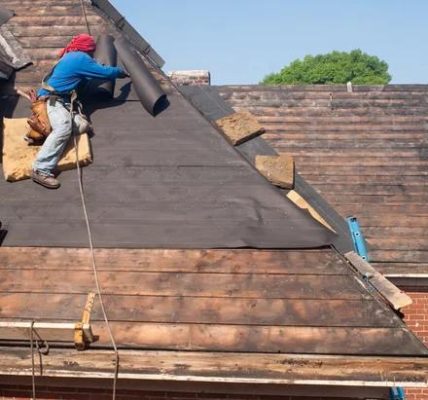
When thinking about installing panouri fotovoltaice, several factors come into play. First, assess your roof’s orientation and angle. South-facing roofs typically capture the most sunlight, making them ideal for solar panels.
Next, consider local regulations and permits. Some areas may have specific rules regarding installation that you must follow. Researching these beforehand can save time and avoid potential issues down the line.
It’s also essential to evaluate your energy needs. Understanding how much power you consume monthly can help determine the size of the system required for your household or business.