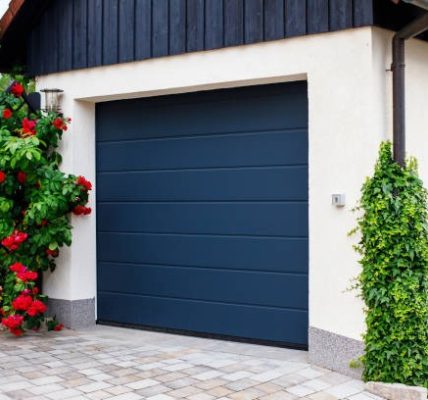

Transforming your outdoor space into a beautiful, functional area can be an exciting yet challenging task. Whether you have a small balcony or a sprawling backyard, landscaping is the key to creating an environment that reflects your lifestyle and aesthetic preferences. This ultimate landscaping guide aims to provide you with all the necessary information and tips to help you transform your outdoor space.
Landscaping involves more than just planting flowers or laying down grass. It’s about planning and designing an outdoor living space that suits your needs while also enhancing the overall appeal of your home. The first step in any landscaping project is determining what you want from your outdoor area. Do you need a play area for children? Or perhaps, are you dreaming of a tranquil retreat where you can unwind after a long day? Once these questions are answered, it’s time to create a plan.
A well-thought-out plan will serve as the roadmap for your landscaping project. This includes considering factors such as climate, soil type, sunlight exposure, and water availability when choosing plants or features for your garden. For instance, if your yard gets plenty of suns but has poor soil quality, consider using raised beds filled with nutrient-rich discover more soil.
Your landscape design should also take into account the architectural style of your home so that there is seamless integration between indoor and outdoor spaces. For example, if you live in a modern house with clean lines and minimalist design elements indoors, try incorporating similar features outdoors like sleek furniture pieces or geometric planters.
Next comes implementation – turning plans into reality. Depending on the complexity of the project and skill level required, some tasks might need professional landscapers’ assistance while others could be DIY projects suitable even for beginners.
When selecting plants for different areas in your yard consider their growth habits (height at maturity), maintenance requirements (how often they need watering or pruning), color schemes (to ensure harmony within the landscape) among other factors.
Maintenance is another critical aspect of landscaping. Regular watering, fertilizing, pruning, and weeding will ensure that your outdoor space continues to look its best year-round. If you’re looking for low-maintenance options, consider using native plants or installing a drip irrigation system.
Lastly, don’t forget about lighting! Proper outdoor lighting can enhance the beauty of your landscape while also providing safety and security. From solar-powered path lights to dramatic uplights highlighting a beautiful tree or architectural feature, there are many ways to incorporate lighting into your landscape design.
In conclusion, transforming your outdoor space through landscaping involves thoughtful planning and design coupled with proper implementation and maintenance. By considering these factors carefully before starting on any project you’ll be well on your way towards creating an outdoor oasis that’s both functional and aesthetically pleasing.