
A home plumbing inspection is a crucial step in maintaining the overall health of a property, yet many homeowners make mistakes that can lead to larger issues down the line. One common error is neglecting regular inspections altogether. Plumbing systems are subject to wear and tear over time, and ignoring routine checks allows minor problems to escalate into costly repairs. Even if everything appears fine on the surface, hidden leaks or corrosion may be developing within pipes or fixtures.
Another frequent mistake involves focusing only on visible components such as faucets, sinks, and toilets while overlooking less obvious areas like water heaters, sump pumps, or sewer lines. These parts play vital roles in a home’s plumbing system but often go unchecked until they fail catastrophically. A thorough inspection should cover all elements of learn the details system to identify potential weak points before they cause damage.
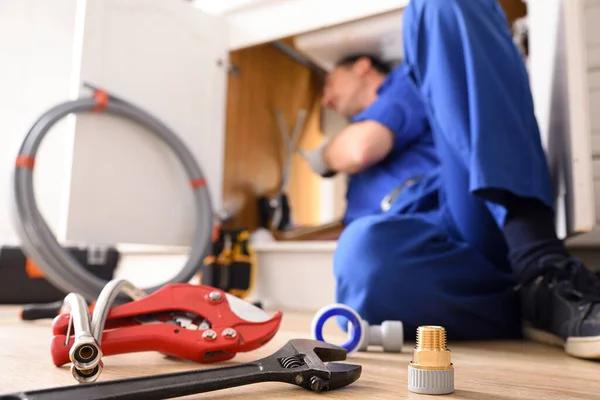
Failing to use proper tools during an inspection can also contribute to missed problems. For example, relying solely on visual observation without employing moisture meters or pressure gauges might result in undetected leaks or inadequate water pressure assessments. Using specialized equipment helps reveal issues that cannot be seen with the naked eye but could severely affect plumbing functionality if left unresolved.
Homeowners sometimes attempt DIY inspections without sufficient knowledge of plumbing systems. Misinterpreting signs such as discolored water or slow drainage may lead to incorrect conclusions about what needs repair. In some cases, this results in unnecessary replacements or delayed professional intervention when urgent attention is required. Consulting licensed plumbers ensures accurate diagnosis and appropriate solutions tailored to specific situations.
Ignoring local building codes and standards during inspections represents another significant oversight. Plumbing regulations exist for safety reasons and help prevent contamination risks from cross-connections or improper venting practices. Noncompliance not only jeopardizes household safety but could also cause legal complications when selling a property later on.
Lastly, rushing through an inspection due to time constraints often causes critical details to be overlooked. Thoroughness matters because small cracks in pipes or worn-out seals may initially seem insignificant but eventually lead to leaks that damage walls, floors, and foundations if ignored too long.
In summary, avoiding these common home plumbing inspection mistakes requires diligence and expertise combined with regular maintenance schedules. Engaging qualified professionals who utilize appropriate diagnostic tools while adhering to regulatory guidelines will minimize risks associated with faulty plumbing systems-ultimately protecting both your investment and living environment from avoidable harm caused by overlooked defects during routine evaluations.