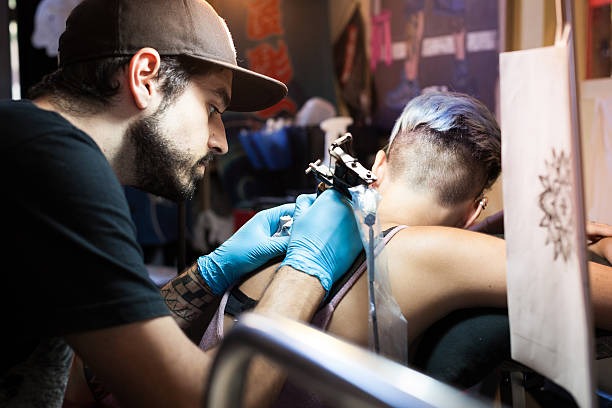

Tattoo studios have long been perceived as intimidating, exclusive spaces reserved for the rebellious and audacious. However, in recent years, there has been a significant shift in this perception. Tattoo studios are now becoming safe havens that embrace everyone regardless of their age, gender, race or personal style.
The evolution of tattoo culture has played a crucial role in this transformation. Tattoos were once associated with subcultures and were often stigmatized. Today, they are seen as a form of self-expression and artistry that transcends societal boundaries and norms. This change is reflected in the inclusive environment fostered within tattoo studios.
Creating an inclusive space starts with the studio’s atmosphere. Many modern tattoo parlors are designed to be welcoming and comfortable places where clients can feel at ease expressing themselves openly without judgment or fear of rejection. Instead of dark corners and grungy interiors, these studios feature bright lights, clean lines, vibrant artwork on the walls and even cozy furniture.
Tattoo artists also play an essential role in creating these safe spaces by fostering open communication with their clients. They take time to understand each client’s unique story behind their desired tattoo design while ensuring they feel heard and respected throughout the process.
Moreover, many tattoo artists actively seek to break down barriers by offering services tailored specifically towards marginalized communities who may not typically feel comfortable entering a traditional studio setting. For example; some offer discounted rates for LGBTQ+ individuals or host events focused on mental health awareness where proceeds from tattoos go towards relevant charities.
Inclusivity also extends to body positivity within tattoo studios – discover more artists are embracing diverse body types than ever before. They work closely with clients to create designs that celebrate their bodies rather than conforming to conventional beauty standards.
Education plays another critical role in promoting inclusivity within the industry – both for customers seeking tattoos and aspiring artists looking to enter the field. Many studios hold workshops covering everything from basic hygiene practices to the history and cultural significance of different tattoo styles.
The shift towards inclusivity in tattoo studios is a reflection of broader societal changes. As more people from diverse backgrounds embrace body art as a way to express their identity, it’s only natural that the spaces where this art is created should also evolve to be more inclusive and welcoming.
In conclusion, the transformation of tattoo studios into safe havens for all is a positive step forward for the industry. It not only broadens its appeal but also helps break down stereotypes associated with tattoos while fostering an environment where everyone feels welcomed, respected, and celebrated. The evolution of these spaces signifies progress towards acceptance and understanding – one tattoo at a time.