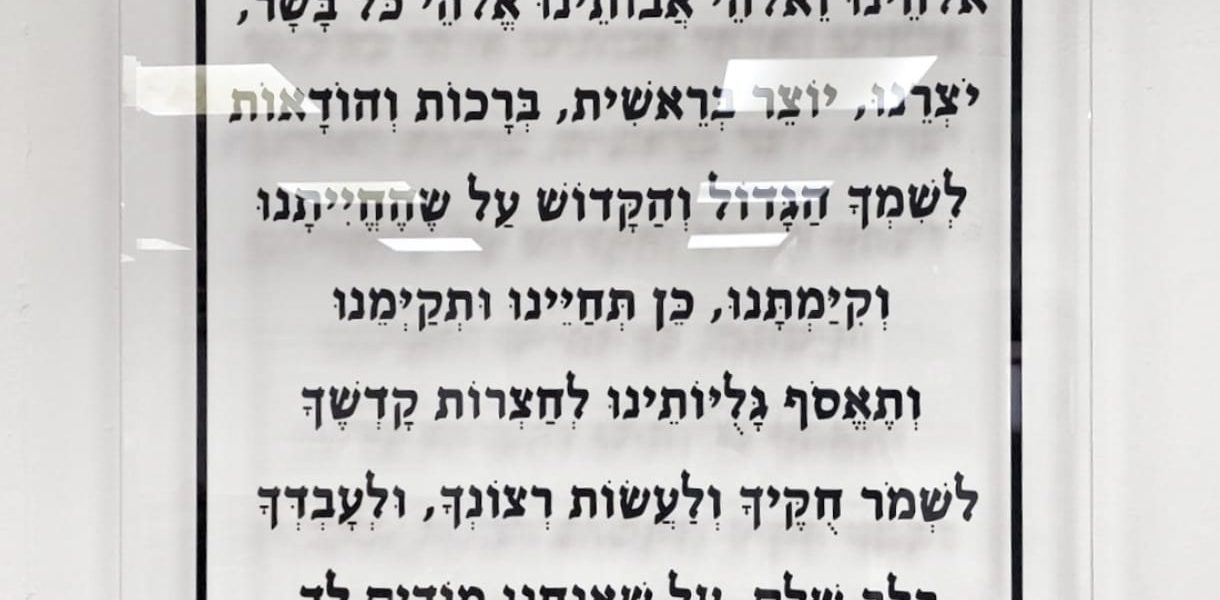

Modim DeRabanan is a critical part of Jewish prayer services, specifically in the Amidah. It’s a prayer of gratitude to God for His continued blessings and miracles. This specific prayer is usually recited by the congregation during the repetition of the Amidah by the Shaliach Tzibbur (prayer leader). The term ‘Modim DeRabanan’ translates to ‘the thanks of the Rabbis,’ indicating its historical origin from Rabbinic Judaism.
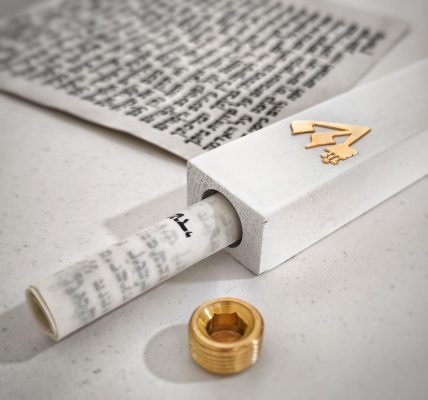
The true beauty and essence of Modim DeRabanan are often captured through classic Hebrew calligraphy. Calligraphy, known as ‘Ktav Yad’ in Hebrew, is an ancient art form that has been used for centuries to enhance religious texts and documents. It adds a layer of aesthetic appeal while also providing depth to these sacred scriptures.
Classic Hebrew calligraphy brings out an artistic side to Judaism that many may not be aware exists. Each stroke made with precision reflects not just skill but also deep respect for what’s being written. When Modim DeRabanan is presented in this manner, it elevates its significance even more.
In terms of design elements, each letter in classic Hebrew calligraphy carries symbolic weight. For instance, there are seven fundamental letters – Bet, Gimel, Dalet, Kaf, Pei Reish and Taf – which have a special crown-like adornment called tagin when they appear in certain holy texts such as Torah scrolls or phylacteries.
When it comes to Modim DeRabanan sign created using classic Hebrew calligraphy; it serves multiple purposes: spiritual enlightenment; decorative art piece; or educational tool teaching both language and faith simultaneously.
The process itself requires immense concentration and patience since even minor errors can alter meanings drastically due to different forms each letter can take based on their position within a word or sentence structure. Artists must have extensive knowledge about rules governing writing Hebrew letters, including their shapes, sizes and the order in which they’re written.
More than just a visual treat, classic Hebrew calligraphy imbues Modim DeRabanan with a spiritual aura. The artistic representation of this prayer serves as a constant reminder of the Jewish faith’s tenets and God’s benevolence. It connects individuals to their cultural roots while simultaneously serving as an emblem of gratitude towards divine providence.
In conclusion, Modim DeRabanan sign created using classic Hebrew calligraphy is more than just an art piece; it’s a tangible expression of faith and gratitude. This combination of religious text and traditional art form creates something truly unique that resonates deeply within the Jewish community. Whether you’re devoutly religious or simply appreciative of fine art, these signs serve as beautiful reminders of Judaism’s rich history and enduring spirit.