
Upgrading old knob-and-tube wiring is a significant concern for homeowners, particularly those residing in older houses. This early form of electrical wiring was common from the 1880s to the 1940s and can still be found in many homes today. While it was a reliable method during its time, modern electrical demands and safety standards have rendered it obsolete. Ensuring that your home’s electrical system is up-to-date not only enhances safety but also improves efficiency and increases property value.
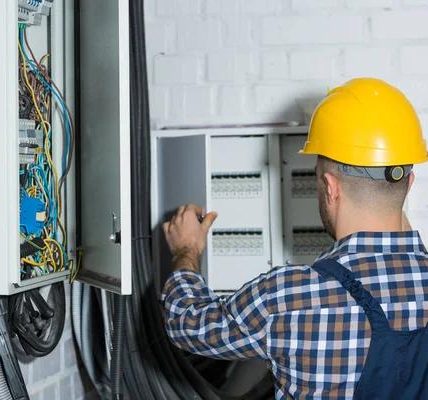
The first step in upgrading knob-and-tube wiring safely is to conduct a thorough inspection by a licensed electrician. This professional assessment will help determine the extent of the existing system and identify any immediate hazards such as frayed wires or improper connections. It’s essential to choose an electrician experienced with older wiring systems, as they will be more familiar with the nuances of knob-and-tube setups.
Once an inspection has been completed, planning becomes crucial. Homeowners should work closely with their electrician to map out a comprehensive upgrade plan that minimizes disruption while ensuring all areas are addressed adequately. Prioritizing high-risk zones like kitchens, bathrooms, and attics where insulation might cover wires is important because these areas often pose greater fire risks due to higher moisture levels or potential overheating.
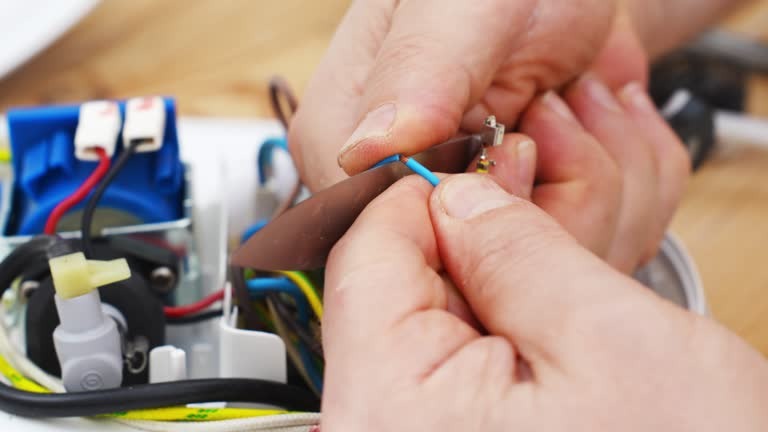
During the upgrade process, replacing old circuits with new ones that meet current National Electrical Code (NEC) standards is vital. Modern materials such as non-metallic sheathed cables provide better insulation and are designed to handle today’s power loads safely. Additionally, installing ground fault circuit interrupters (GFCIs) in areas prone to moisture can prevent electric shocks by cutting off power when imbalances are detected.
It’s also wise explore this link for additional information homeowners to consider future-proofing their electrical systems during this upgrade phase by incorporating additional outlets or dedicated circuits for high-demand appliances like air conditioners or electric vehicles chargers if they anticipate needing them later on.
While upgrading knob-and-tube wiring may seem daunting initially due to costs or potential disruptions, focusing on long-term benefits helps justify this investment. Not only does modernizing your home’s electrical system enhance safety significantly—reducing risks of fires caused by outdated wiring—but it also aligns your property with contemporary energy needs which could potentially lower insurance premiums too.
In conclusion, addressing old knob-and-tube wiring through careful planning and execution ensures both safety improvements and increased functionality within one’s home environment—a worthwhile endeavor given how critical reliable electricity has become in our daily lives today!