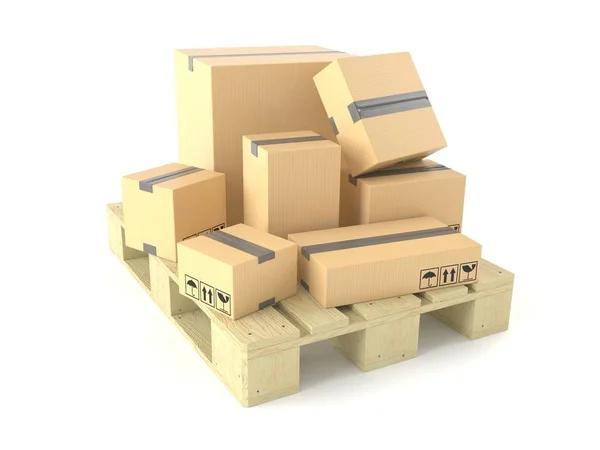

For small businesses, managing shipping costs is a critical aspect of maintaining profitability and ensuring customer satisfaction. Pallet shipping is a common method used to transport goods efficiently, especially when dealing with bulk items or heavier products. Understanding pallet shipping rates can help small business owners make informed decisions about their logistics and budgeting. Several factors influence the cost of pallet shipping, including the size and weight of the pallet, distance traveled, type of freight service chosen, and additional handling requirements.
The dimensions and weight of a pallet are primary determinants in calculating shipping rates. Carriers often charge based on either actual weight or dimensional weight-whichever is greater-to account for space utilization in transport vehicles. A standard pallet typically measures 48 by 40 inches; however, variations exist depending on industry standards or specific product needs. Heavier pallets generally incur higher fees due to increased fuel consumption and handling complexity.
Distance plays a significant role in pricing as well. Shipping across short distances within local regions usually costs less compared to long-haul shipments that cross multiple states or countries. The farther the destination from the origin point, the more expensive it becomes because carriers factor in fuel expenses, driver hours, tolls, and other operational costs into their pricing models.
Choosing between different types of freight services also affects overall charges. Common options include less-than-truckload (LTL) and full truckload (FTL) shipments. LTL allows multiple customers’ goods to share space on one truck which can reduce expenses for smaller shipments but may involve longer transit times due to multiple stops along routes. In contrast, FTL dedicates an entire truck exclusively for one shipment which might be more economical for larger loads but generally comes at a higher price point.
Additional services such as liftgate delivery or inside pickup/delivery add convenience but increase total charges since they require extra labor or equipment beyond standard dock-to-dock transportation procedures. Insurance coverage requested by shippers also contributes to final costs by protecting against potential damage or loss during transit.
Small businesses should consider negotiating rates with carriers if they ship regularly since volume discounts can significantly lower expenses over time. Comparing quotes from various providers enables companies to find competitive prices tailored to their specific needs without sacrificing reliability or service quality.
In summary, understanding how Pallet Shipping Rates are calculated helps small business owners effectively manage logistics budgets while meeting delivery expectations. By evaluating factors like size, distance, service type, and additional handling requirements carefully before committing to contracts with carriers ensures smoother operations that support growth objectives sustainably over time.