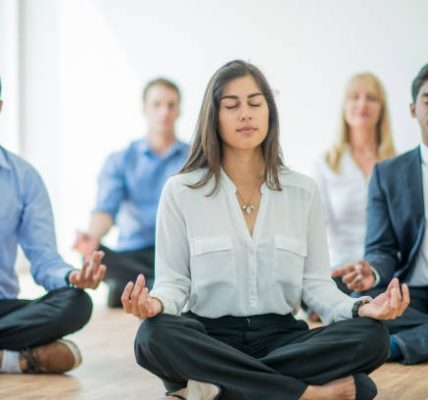

Physical activity plays a significant role in managing and reducing everyday stress levels. When individuals engage in regular exercise, their bodies undergo various physiological and psychological changes that contribute to a calmer state of mind. One of the primary ways physical activity helps reduce stress is through the release of endorphins, often referred to as “feel-good” hormones. These chemicals interact with receptors in the brain, creating feelings of happiness and euphoria that can counteract negative emotions caused by stress.
In addition to endorphin production, exercise lowers levels of stress hormones such as cortisol and adrenaline. Elevated cortisol levels are commonly associated with chronic stress and can negatively impact overall health if left unchecked. By engaging in physical activities like walking, jogging, or yoga, individuals can help regulate these hormone levels, promoting a more balanced internal environment conducive to relaxation.
Regular movement also improves sleep quality, which is closely linked to how well people handle daily pressures. Physical exertion tires the body naturally and encourages deeper rest during nighttime hours. Better sleep enhances cognitive function and emotional resilience throughout the day, making it easier for individuals to cope with stressful situations effectively.
Moreover, participating in physical activities provides an opportunity for distraction from worries or kratom vendors overwhelming thoughts. Focusing on movements or specific exercises shifts attention away from sources of anxiety temporarily. This mental break allows for better problem-solving abilities once returning to daily tasks while reducing the intensity of immediate concerns.
Engaging in group exercises or sports adds social interaction benefits that further alleviate stress symptoms. Connecting with others through shared physical challenges fosters a sense of community and support which combats feelings of isolation often linked with increased tension.
Physical activity also promotes improved cardiovascular health by enhancing blood circulation and oxygen delivery throughout the body including vital organs like the brain. Enhanced circulation supports optimal brain function which contributes positively toward mood regulation under pressure.
It is important to note that even moderate amounts of exercise can yield noticeable improvements in managing everyday stress rather than requiring intense workouts exclusively reserved for athletes or fitness enthusiasts.
Incorporating consistent physical activity into daily routines equips individuals not only with tools to manage present stresses but also builds long-term resilience against future challenges by strengthening both mind and body simultaneously through natural processes triggered by movement itself.