
A burst pipe in your home can quickly turn into a disastrous situation if not handled promptly and correctly. Water damage can affect your walls, floors, and belongings, leading to costly repairs. Therefore, knowing how to manage a burst pipe effectively is essential for every homeowner. This step-by-step guide will help you take immediate action to minimize damage and restore normalcy efficiently.
The first step when you notice a burst pipe or water leak is to shut off the main water supply to your home. This action stops the flow of water and prevents further flooding. Typically, the main water valve is located near your water meter or where the main water line enters your house. Turning this valve clockwise usually shuts off the water supply.
Next, turn off the electricity in the affected area to avoid the risk of electrical shock or fire. Water and electricity are a dangerous combination, so ensure your safety by switching off the circuit breaker linked to the flooded or leaking area.
After you have stopped the water flow and electricity, assess the damage and contain the water as much as possible. Use buckets, mops, or towels to soak up standing water and go to website prevent it from spreading to other areas. If the burst pipe is accessible, try to temporarily seal it using pipe repair tape or a pipe clamp to reduce leakage until a professional plumber arrives.
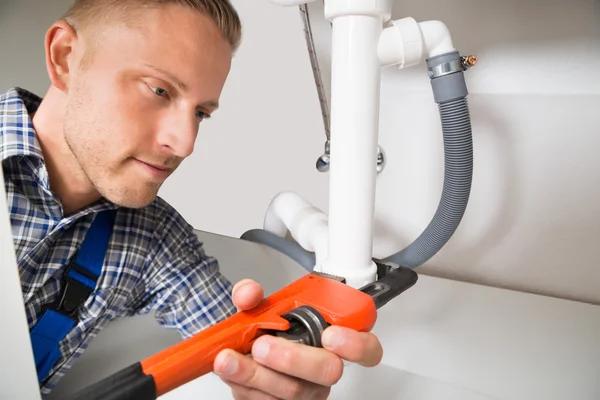
Once the immediate crisis is under control, call a licensed plumber to inspect and repair the burst pipe. A professional will identify the cause of the burst, whether it’s due to freezing temperatures, corrosion, or high water pressure, and provide a long-term solution. Do not attempt permanent repairs yourself unless you have the proper tools and expertise, as improper fixes can lead to further damage.
After repairs, thoroughly dry the affected area to prevent mold growth and structural damage. Use fans, dehumidifiers, and open windows to increase air circulation. Inspect your home’s walls, floors, and ceilings regularly for signs of moisture or mold following a burst pipe incident.
Finally, take preventive measures to avoid future pipe bursts. Insulate exposed pipes, especially in cold weather, and maintain consistent water pressure in your plumbing system. Regularly inspect pipes for signs of wear or damage and schedule professional maintenance checks.
Handling a burst pipe efficiently involves quick action, proper safety measures, and professional assistance. By following these steps carefully, you can minimize water damage and protect your home from costly repairs.