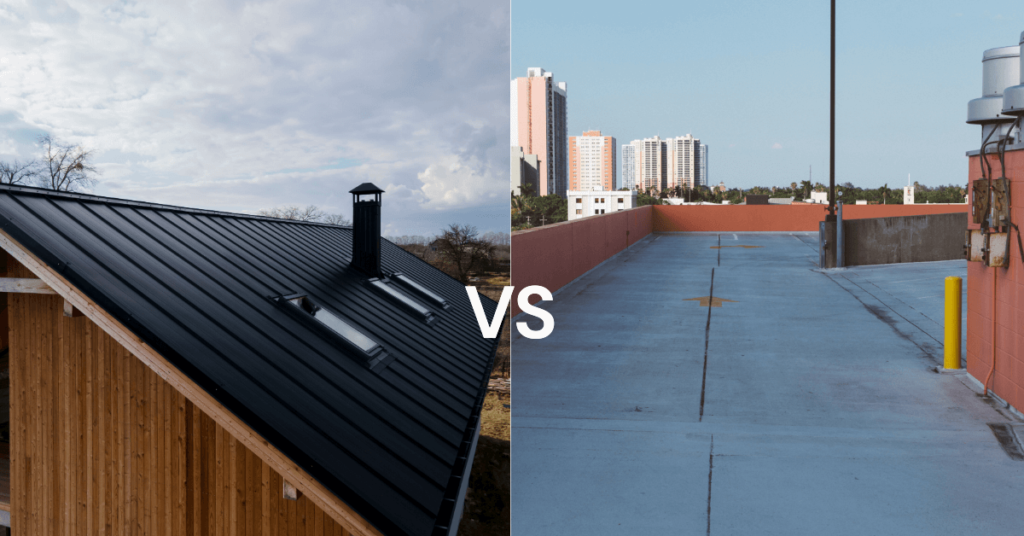

When deciding on the type of roof for your property, one of the most important considerations is whether to opt for a flat roof or a pitched roof. Each style has its own set of advantages and disadvantages, and understanding these can help you make an informed decision that suits both your aesthetic preferences and practical needs.
Flat roofs are characterized by their horizontal or nearly horizontal design, which gives them a modern and minimalist look. One of the primary benefits of flat roofs is their cost-effectiveness. They generally require fewer materials and less labor to construct compared to pitched roofs, making them an attractive option for budget-conscious homeowners. Additionally, flat roofs offer usable outdoor space that can be transformed into terraces, gardens, or recreational areas-an appealing feature in urban environments where space is limited.
However, flat roofs also come with some challenges. Their minimal slope means water drainage relies heavily on proper installation of drainage systems; otherwise, water pooling can lead to leaks and structural damage over time. Maintenance tends to be more frequent than with pitched roofs because flat surfaces accumulate debris such as leaves and dirt more easily. Furthermore, insulation may need extra attention since heat loss can be higher due to the exposure level.
In contrast, pitched roofs have a sloped design that allows rainwater and snow to run off easily. This natural drainage reduces the risk of leaks and minimizes maintenance requirements related to water damage. Pitched roofs are often preferred in regions with heavy rainfall or snowfall because they prevent accumulation that could compromise structural integrity. The steep angle also provides additional attic space which can be used for storage or converted into living areas.
Aesthetically speaking, pitched roofs tend to evoke traditional architectural styles but are versatile enough to complement contemporary designs as well. They offer better ventilation options through ridge vents or gable openings which contribute positively toward indoor air quality and temperature regulation.
On the downside, pitched roofs typically involve higher construction costs due to increased material usage and complexity in framing compared to flat designs. Repairs might also be more complicated given their height and slope requiring professional expertise for safety reasons.
Ultimately, choosing between a flat roof vs pitched roof depends on several factors including climate conditions, budget constraints, intended use of rooftop space, maintenance willingness, as well as personal taste regarding appearance. Flat roofs suit modern aesthetics while providing functional outdoor areas but demand vigilant upkeep especially in wetter climates; whereas pitched roofs excel at durability against weather elements offering classic looks alongside added interior volume albeit at greater expense.
Evaluating these aspects carefully will ensure your roofing choice enhances both the value and comfort of your property over time. Consulting with roofing professionals can provide tailored advice based on local environmental factors ensuring you select an option aligned perfectly with your specific needs.