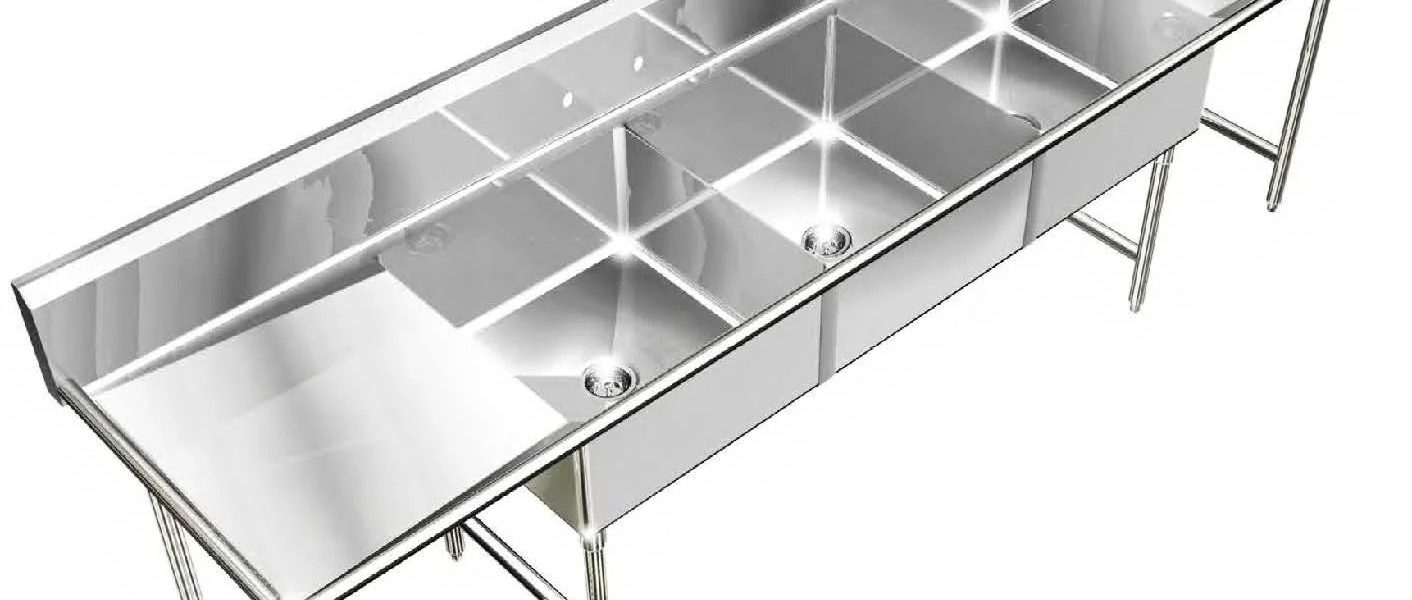

Choosing the right commercial sink for your business is an essential decision that can impact daily operations, hygiene standards, and overall efficiency. Whether you operate a restaurant, medical facility, or any other enterprise requiring frequent cleaning and sanitation, selecting a sink tailored to your specific needs ensures smooth workflow and compliance with health regulations. The first step in finding the appropriate commercial sink involves understanding the nature of your business and how the sink will be used. Different industries have varying requirements; for example, a food service establishment may need multiple compartments for washing, rinsing, and sanitizing dishes, while a laboratory might prioritize chemical resistance and easy sterilization.
Material quality plays a crucial role in durability and maintenance. Stainless steel is widely favored due to its corrosion resistance, strength, and ease of cleaning. It withstands heavy use without deteriorating quickly or harboring bacteria. Other materials such as epoxy resin or fiberglass may suit particular environments but generally lack the versatility offered by stainless steel sinks. Additionally, consider factors like thickness of the metal gauge; thicker gauges provide better sturdiness but can increase cost.
Size and configuration are equally important when choosing a Commercial Sink. Assess available space carefully to ensure installation fits comfortably without obstructing movement or violating workspace guidelines. Sinks come in various sizes from compact single basins to large multi-compartment units designed for high-volume tasks. The number of compartments should align with operational workflows-separate sections allow simultaneous washing processes which improve productivity while maintaining cleanliness standards.
Installation type also affects functionality; under-mount sinks integrate seamlessly with countertops offering easier cleanup around edges whereas drop-in models are simpler to install but may accumulate debris along rims over time. Drainboard options enhance drying efficiency by providing designated areas for water runoff after washing items.
Plumbing considerations must not be overlooked during selection since proper drainage prevents clogs and water damage that could disrupt business activities. Ensure compatibility with existing plumbing infrastructure or plan upgrades accordingly.
Finally, regulatory compliance influences choice significantly especially within food preparation settings where local health codes dictate specific features like splash guards or handwashing stations incorporated into designs to minimize contamination risks.
In summary, finding the right commercial sink requires careful evaluation of industry-specific needs combined with practical considerations regarding material durability, size configuration, installation style, plumbing compatibility, and legal requirements. By thoroughly analyzing these aspects before purchase you can secure an efficient solution that supports operational demands while promoting hygiene excellence across your workplace environment.