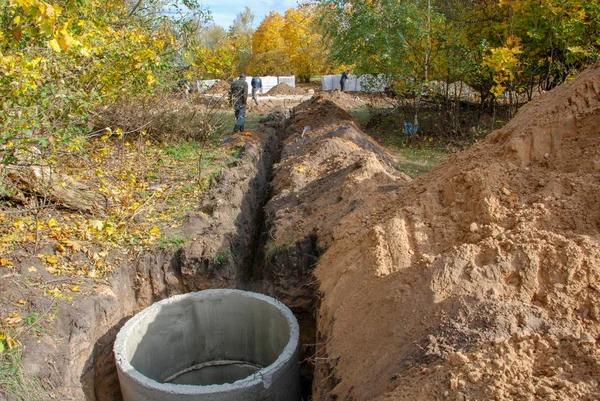

A septic tank is an essential component of many homes, especially those not connected to a municipal sewage system. Proper maintenance and regular inspection are crucial to ensure the system functions effectively and prevents costly repairs or environmental hazards. Homeowners should understand the basics of septic tank inspection to protect their investment and maintain a safe living environment. The first step in septic tank inspection involves locating the tank itself, which is usually buried underground near the home. Knowing its exact position helps facilitate easier access during inspections and maintenance activities. Once located, homeowners or professionals can check for visible signs of damage or leaks around the area, such as wet spots on the ground or unpleasant odors that may indicate problems within the system.
The next phase focuses on examining the condition of the tank’s components, including inlet and outlet pipes, baffles, and lids. These parts play vital roles in directing wastewater flow and preventing solids from clogging downstream systems like drain fields. Inspectors look for cracks in concrete tanks or corrosion in metal ones that could compromise structural integrity over time. It is also important to assess sludge levels inside the tank because excessive accumulation can reduce capacity and lead to backups into household plumbing fixtures. Typically, professional inspectors use specialized tools such as sludge judges or cameras inserted through access ports to measure sediment depth accurately without disturbing operations.
Septic tank inspection
Regular pumping schedules depend largely on these measurements; most experts recommend pumping every three to five years depending on household size and water usage patterns. During inspections, it’s equally important to examine surrounding soil conditions since saturated soils may hinder proper drainage from leach fields causing effluent pooling at surface levels which pose health risks due to potential contamination of groundwater sources.
Homeowners should be aware that certain warning signs warrant immediate attention outside routine checks: slow drains throughout the house might signal blockages; sewage odors indoors often point toward ventilation issues; surfacing sewage puddles require urgent remediation before further damage occurs.
Maintaining detailed records of all inspections, pumpings, repairs, and any modifications made helps track system performance over time while providing valuable information septic service for your property providers.
In summary, conducting thorough septic tank inspections involves locating your system accurately followed by assessing structural components along with sludge buildup inside tanks complemented by evaluating external soil conditions around drain fields regularly ensures longevity of your septic system while safeguarding both property value and environmental health through proactive care rather than reactive fixes saves homeowners money long-term by avoiding emergency repairs caused by neglecting necessary upkeep routines associated with septic systems functioning properly requires consistent attention but offers peace of mind knowing waste disposal operates smoothly beneath your feet every day without disruption.
Gray Septic Solutions
Savannah, GA 31405
912-661-4089