
Refrigeration, heating, and cooling systems play an important role in maintaining comfortable and healthy indoor environments. From homes and offices to restaurants, warehouses, and commercial facilities, these systems help control temperature and protect products, equipment, and people from extreme conditions. A properly designed and maintained system can also improve energy efficiency and reduce unnecessary operating costs.
Refrigeration systems are essential for keeping food, beverages, medicines, and other temperature-sensitive products at safe temperatures. Commercial refrigerators, freezers, walk-in coolers, and specialized refrigeration equipment are commonly used in businesses that depend on reliable temperature control. When refrigeration equipment operates efficiently, it helps prevent product spoilage and supports consistent business operations. Regular inspections can identify problems such as refrigerant leaks, blocked airflow, worn components, or unusual temperature changes before they become expensive repairs.
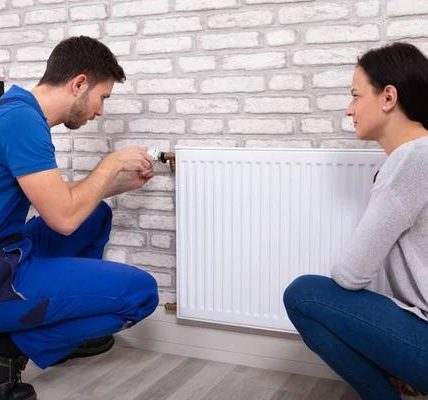
Heating systems provide essential warmth during colder months and help maintain a comfortable indoor environment. Modern heating equipment can include furnaces, heat pumps, boilers, and other energy-efficient solutions. Choosing the right heating system depends on the size of the property, insulation, local climate, and specific heating requirements. Routine maintenance, including filter replacement and system inspections, can help improve performance and extend equipment life.
Cooling systems are equally important, particularly during warm weather. Air conditioning units remove heat and humidity from indoor spaces while providing comfortable temperatures. Central air conditioners, ductless systems, packaged units, and commercial cooling equipment are available for different applications. A well-maintained cooling system can deliver better airflow, operate more efficiently, Appalachian Refrigeration Heating & Cooling provide consistent comfort throughout a property.
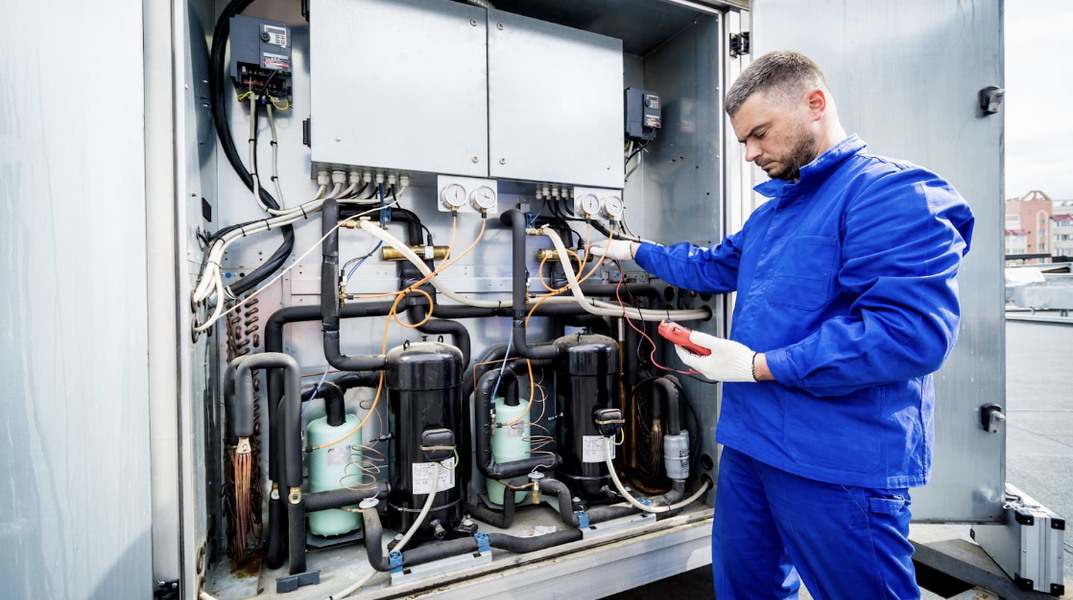
Refrigeration, heating, and cooling equipment all rely on several interconnected components working together. Compressors, fans, coils, thermostats, electrical parts, and refrigerant systems must function correctly for reliable performance. Even a small component problem can affect the entire system. Professional servicing can help identify these issues early and keep equipment operating safely.
Energy efficiency is another important consideration when selecting or upgrading temperature control equipment. Newer systems are often designed to use less energy while providing dependable performance. Proper installation is also essential because an incorrectly sized or poorly installed system may consume more energy and provide inconsistent temperature control.
Regular maintenance should be considered an essential part of equipment ownership rather than an occasional task. Cleaning components, checking electrical connections, inspecting refrigerant levels, replacing filters, and testing system performance can help prevent unexpected breakdowns. Professional technicians can also recommend improvements based on the age and condition of the equipment.
Whether the goal is preserving refrigerated products, maintaining warmth, or keeping indoor spaces cool, dependable refrigeration, heating, and cooling equipment makes a significant difference. Investing in quality equipment, professional installation, and regular maintenance can improve comfort, protect valuable products, reduce energy consumption, and support long-term system reliability.