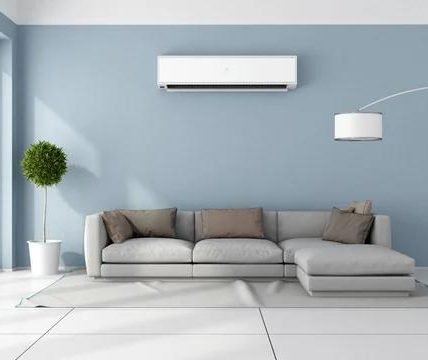

When selecting an energy-efficient window air conditioner with heating capabilities, it is important to consider several factors to ensure you make a practical and cost-effective choice. These units serve dual purposes, providing cooling during warmer months and heating when temperatures drop, making them versatile for year-round comfort. The first aspect to evaluate is the unit’s size relative to the room where it will be installed. An appropriately sized air conditioner ensures optimal performance without wasting energy. A unit that is too small will struggle to maintain desired temperatures, while one that is too large may cycle on and off frequently, reducing efficiency and increasing wear.
Energy efficiency ratings are crucial indicators of a model’s operating costs and environmental impact. Look for products labeled with Energy Star certification or similar standards as they meet strict guidelines for reduced energy consumption. The Seasonal Energy Efficiency Ratio (SEER) rating measures cooling efficiency over a typical season; higher SEER values indicate better performance. For heating functions, check the Heating Seasonal Performance Factor (HSPF), which reflects how effectively the unit converts electricity into heat over time.
Another consideration involves features that enhance convenience and further improve energy savings. Programmable thermostats allow users to set specific temperature schedules so the system runs only when needed, avoiding unnecessary operation. Some models include remote controls or smart connectivity options enabling adjustment from smartphones or voice assistants, contributing to user comfort and efficient management of indoor climate.
Installation requirements should not be overlooked since improper fitting can lead to drafts or water leakage affecting both performance and home integrity. Window air conditioners must fit securely within standard window frames while ensuring proper sealing around edges to prevent heat exchange with outside air. Professional installation might be advisable if you lack experience in mounting these units correctly.
Noise levels vary between models; quieter operation enhances comfort especially in bedrooms or workspaces where distractions are undesirable. Check decibel ratings provided by manufacturers or read customer reviews for real-world insights into sound output during use.
Maintenance plays a role in sustaining efficiency throughout the product’s lifespan. Regular cleaning of filters prevents airflow obstruction which otherwise forces compressors to work harder consuming more power. Additionally, inspecting drainage systems helps avoid water buildup that could damage components.
In summary, choosing an energy-efficient Window Air Conditioner with Heating requires attention to size compatibility, certified efficiency ratings like SEER and HSPF, useful programmable features, proper installation practices, noise considerations, and ongoing maintenance needs. Balancing these elements leads to improved comfort at lower operational costs while supporting environmentally responsible usage throughout seasonal changes in temperature conditions inside your home or office space.